Croydon’s workdays run on screens. Whether you split time between a home office in South Croydon and a hot desk near East Croydon station, or you spend twelve hours pushing a deadline on the Purley Way, your spine, hips, and shoulders pay a toll. Stiffness creeps in, the neck feels cranked forward, and by late afternoon the mid-back locks up just as email volume peaks. The good news is that most desk-related pain is reversible, and a targeted program of manual therapy, movement coaching, and small environmental tweaks transforms how you feel from the first week.
As a Croydon osteopath who sees office professionals, developers, designers, and call handlers every day, I have watched the same pattern repeat. People arrive braced and worried that something is permanently damaged. They leave realising that pain behaves more like a sensitive alarm system than a broken part, and that with the right inputs, the alarm quiets. When handled well, joint pain treatment in Croydon does not rely on complicated machines or aggressive interventions. It relies on precise hands-on techniques, thoughtful load management, and habits that stick.
Why desk time stiffens joints and makes movement feel older than you are
Lengthy sitting is not harmful in a single stroke. Your tissues are adaptable. Problems start when one posture dominates most hours of most days, your recovery is thin, and the load on a few regions outpaces their capacity. Three linked mechanisms explain why you feel restricted.
First, joints and surrounding capsules become less willing to glide when they are parked in one place. Synovial fluid circulation depends on movement. If your thoracic spine barely rotates between breakfast and bedtime, articular cartilage is not bathed evenly and the tough sleeve around the joint shortens into that position. This shows up as a capsular pattern at the neck or shoulder, where certain motions pinch or feel blocked before their time.
Second, muscles fatigue and then guard. The deep neck flexors, lower trapezius, and gluteus medius are often quiet while upper trapezius, levator scapulae, and hip flexors pick up the slack. That imbalance is not a permanent label, but it does set up triggerable tenderness and a tug-of-war across the pelvis and shoulder girdle.
Third, your nervous system learns rapid protective responses. If you wrenched your neck checking a blind spot last month, it is no surprise the next rotation feels risky. The brain tightens the brakes. Pain is rarely a simple readout of tissue damage. It is a composite influenced by sleep, stress, expectations, and movement history. When we de-threaten a movement with graded exposure and hands-on reassurance, the nervous system allows more motion.
A day with two hours of focused tasks and regular changes in position will land differently on your body than a day with nine hours of static sitting and back-to-back video calls. That is why the same spine can feel fine on a Saturday and miserable by Wednesday.
What manual therapy means in the osteopathic setting
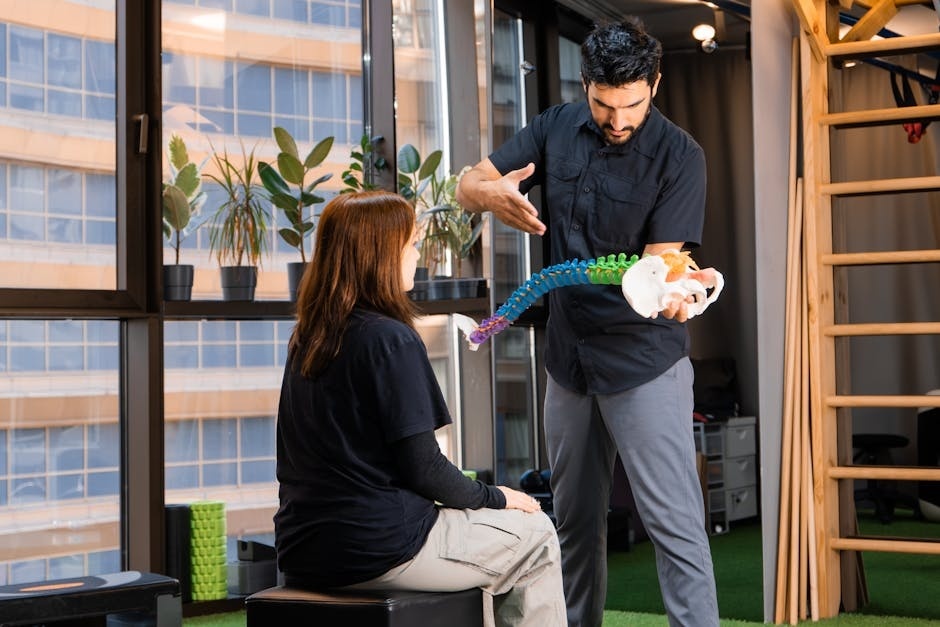
Manual therapy is a family of evidence-informed techniques applied by a clinician’s hands to reduce pain, change tone, and restore movement. In osteopathic treatment this can include gentle joint articulation, high-velocity low-amplitude thrusts that produce a brief cavitation, soft tissue release, muscle energy techniques where you contract against resistance to reset tone, and neuromobilisation if a nerve is sensitive.
The aim is not to force bones back into place. Your vertebrae are stable structures. The aim is to speak the language of your mechanoreceptors, improve slide and glide, alter your perception of threat, and create a window of opportunity where movement feels safer. We then fill that window with specific, tolerable exercises that teach the body to keep the gain.
When people look for manual therapy Croydon on a search engine, they often imagine a quick fix. Some sessions do produce rapid relief, but lasting change comes from the combination of skilled hands and patient-led habits. That is also where a registered osteopath in Croydon adds value: triaging who is suitable, who needs imaging or medical referral, and what blend of techniques fits your case.
A first appointment, step by step, and how it adapts to desk-based pain
You will spend the first 15 to 20 minutes talking. Not generic questions. We map when symptoms appeared, what worsens or eases them, how they behave over a day, any red flags like night sweats, weight loss, or unexplained fevers, and your general health. If pins and needles, weakness, or bowel and bladder changes are present, we examine neurological function immediately and refer as appropriate. Most desk-related neck and back pain does not show red flags. Still, a registered osteopath Croydon should always screen.
Next comes the movement exam. Expect to turn, bend, and reach while I watch how segments share the load. For example, a stiff upper thoracic region often forces the neck to rotate too much during driving, which reproduces pain. A hip that lacks extension can shove the lumbar spine into constant hinge during walking. I palpate to feel which tissues are guarded, sensitised, or thickened. Special tests rule in or out cervical radiculopathy or shoulder impingement. If you sit for ten hours each day, I will also assess your breathing pattern. Many people switch to shallow upper-chest breathing when stressed, which feeds tension in the scalenes and upper trapezius.
From there we plan. For a desk-based neck, thoracic, or shoulder issue, the first session often includes gentle thoracic mobilisation, soft tissue work to suboccipitals and pectorals, and a tailored nerve glide if the median nerve fires during typing. For hip and lower back stiffness, I might use lumbar articulation, hip joint distraction, and muscle energy techniques for the hip flexors. The immediate goal: dampen pain, improve range, and show you can move further than you thought without consequence.
The three most common desk syndromes in Croydon and how they respond
Neck pain with headaches, sometimes called cervicogenic headaches, is the most frequent complaint I see near East Croydon. The pattern is classic. Pain climbs from the upper neck into the temples after long batches of screen work, worsens by late afternoon, and eases on weekends. Hands-on treatment focusing on the mid-upper cervical joints, plus deep neck flexor activation, tends to ease it within two to three sessions. People are surprised how quickly a sustained chin tuck against gravity, performed for short sets across the day, rewires the system.
Second is thoracic stiffness with shoulder impingement. If your shoulder protests at the top of a reach or during a jacket-on movement, the culprit is often a sticky mid-back that refuses to extend or rotate, forcing the ball-and-socket to ride up under the acromion. Manual mobilisation of the thoracic spine, pec minor release, and serratus anterior reactivation change that story. Many of my clients in South Croydon report that their shoulder presses and overhead work return within four to six weeks when we respect load and build gradually.
Third is lower back pain made worse by static sitting and a long train commute. The lumbar spine dislikes only one thing: the absence of variety. If you commute from Sanderstead or Purley Oaks and stack that with home working on a soft sofa, the extensor muscles are on all day and the small joints grumble. A plan blending lumbar articulation, hip flexor and hamstring work, and graded exposure to hinge patterns helps. The goal is not to avoid bending. It is to regain confidence doing it.
A short story from clinic: the developer who stopped dreading 3 pm
A backend developer from a tech firm near Boxpark Croydon booked an appointment after three months of escalating neck pain. By 3 pm daily his right trapezius felt like a knot, and by 7 pm he got eye ache and a low-grade headache behind the right eye. He had tried a new chair and blue light glasses with minimal change.
His exam showed restricted rotation at the C2-3 level, hypervigilant upper trapezius on the right, and a breath pattern that flared the ribs without diaphragm descent. The worst part: he had stopped turning his head while cycling because he feared a spasm.
Session one combined gentle C2-3 mobilisation, myofascial work to scalenes and temporalis, and a few sets of deep neck flexor activation with biofeedback from his own fingers under the front of the neck. I taught him a lateral glide nerve movement for the median nerve that initially reproduced a 2 out of 10 tingle, but calmed with repetitions. He also practiced belly breathing Croydon osteopath with one hand on the sternum and one on the abdomen.
Within two sessions the afternoon knot had dropped from a 7 to a 3 out of 10. After three weeks he cycled with normal head checks again. We never sold the idea that his neck was fragile. We explained a sensitive but robust system, then proved it through movement.
Techniques you may feel during osteopathic treatment in Croydon
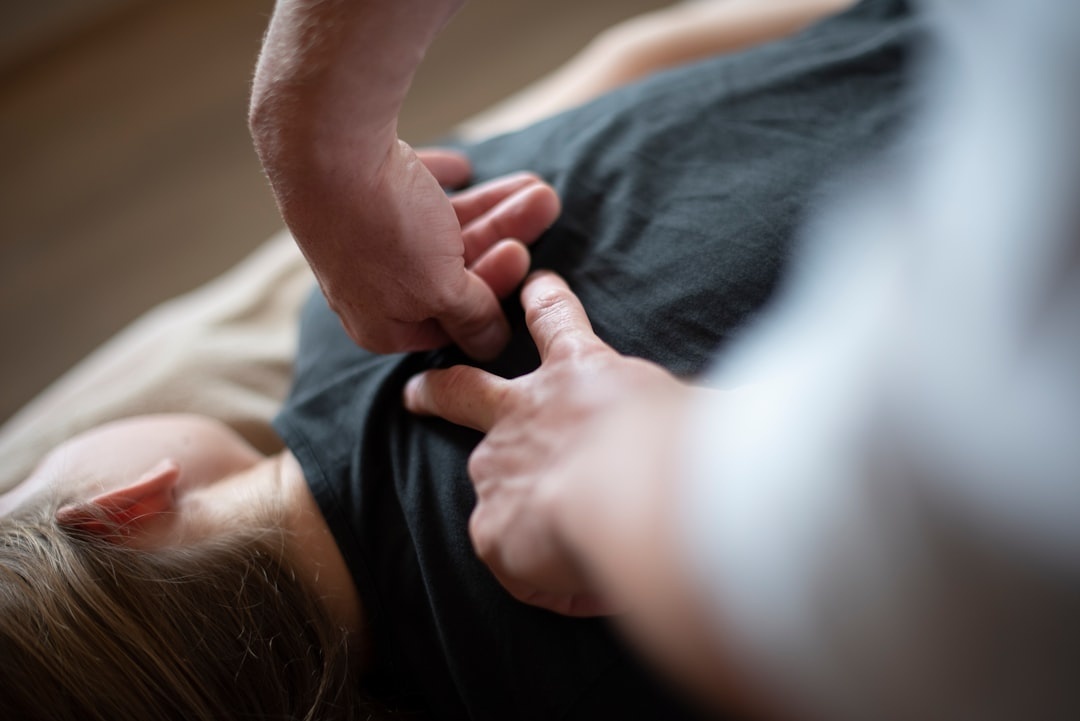
People often ask what a session feels like. The answer depends on your presentation and your preference. Some respond best to light touch and gentle oscillations that invite movement and reduce guarding. Others like directional pressure that sinks into paraspinal tone, or a swift thrust that produces a pop. That sound is trapped gas within the joint, not bones moving back into place.
Soft tissue methods can feel like a slow iron across tense muscle, graded to comfort. Muscle energy techniques feel like a brief push against my hand, held for 5 to 7 seconds, followed by a deeper stretch. Articulation feels rhythmic, like rocking a joint into new range. None of this should feel threatening. Soreness for 24 hours can occur, much like after a new exercise, and it usually settles with gentle movement and hydration.
If a nerve is part of the picture, expect carefully dosed sliders and tensioners. A slider moves the nerve bed at one end while releasing at the other. It builds tolerance without winding up the system. It is common that typing provokes a median nerve slider more than a ulnar, and we adapt accordingly.
Expected timelines, frequency, and when to investigate
Most desk-related musculoskeletal pain responds within 2 to 6 sessions when treatment is matched to the driver and you follow self-care. Acute flares often need one visit weekly for 2 to 3 weeks, then a step-down. Chronic niggles benefit from a taper: weekly, then fortnightly, then a check at 6 to 8 weeks. If pain does not shift by the fourth session, we revisit the diagnosis and consider contributing factors like sleep debt, psychosocial stressors, workload spikes, or outdated beliefs about fragility.
Red flags are rare but important. Progressive neurological deficit, saddle anaesthesia, unexplained weight loss, fevers, night pain that does not ease with position changes, or a history of osteopath south Croydon cancer warrant medical assessment. Imaging is not routinely needed for non-specific back or neck pain. It has value when there is trauma, severe neurological change, or suspected structural pathology. In an osteopathy clinic Croydon with good referral links, this pathway is straightforward.
How clinic and home blend: your part is as important as my hands
Manual therapy opens the door. Your habits keep it open. I coach three pillars in the first week. First, movement snacks every 30 to 60 minutes. Second, a crisp strength routine for the areas that support your weak links. Third, a few environmental tweaks at your workstation.
Here is a fast workstation check I share across Croydon offices.
- Screen top aligns with eye level, the main screen straight ahead to avoid neck rotation. Hips slightly higher than knees, with sit bones toward the back of the chair. Forearms supported so shoulders do not hover. Feet flat on the floor or a footrest, with knees soft. Trackpad or mouse close to the body, with the wrist neutral.
No setup beats movement. A perfect chair does not change the reality that living bodies crave variety. The most resilient desk workers I see treat posture like an outfit they change, not a caste system.
For the strength piece, I select two or three focused moves so you actually do them. Deep neck flexor holds, mid-back extension with a rolled towel, and a serratus wall slide for the shoulder are common. For lower back and hips, hip hinge patterns, step-downs, and loaded carries help. Load is not the enemy. Done well, it is the antidote.
A five-minute microbreak that repays itself by lunchtime
The biggest barrier to change in Croydon’s busy offices is time. You do not need a 60-minute gym session at noon to protect your back. You need brief, regular interruptions to monotony that massage your physiology and reassure your nervous system.
Try this between calls or before a long block of focus.
- Stand, inhale through the nose for four seconds, exhale for six seconds, repeat for five cycles. Hands behind your head, extend your mid-back gently over the top of the chair, three to five repetitions. Step away from the desk, perform eight to ten slow bodyweight hinges, focusing on hip movement, not spinal rounding. Shoulder cars: draw a slow circle with each shoulder, three times clockwise, three times counterclockwise. Finish with a 45 to 60 second stroll, even if it is to the kitchen and back.
Most people report that this five-minute routine feels indulgent the first week and essential by the second. It costs little and restores a sense of control over your body during work.
Pain, performance, and the desk athlete mindset
If you are a coder, planner, or analyst, you still count as an athlete of attention. Musculoskeletal health affects performance. When your neck is noisy, your focus shatters more easily. When your hips are tight, your walk home is shorter and less enjoyable, which trims the few restorative anchors your day has. Treating your body like an asset underpins not only comfort but output.
Athletes cycle loads, warm up, and cool down. Desk athletes can do the same. A pre-work ritual of two minutes of breath and shoulder mobility arrives with more heuristic accuracy than coffee alone. A post-work cooldown of a short walk to East Croydon station, with a longer stride to open the hips, flips your system back toward parasympathetic. Over a quarter, these small acts reduce flare-ups.
Croydon specifics: commuting patterns, home setups, and how local context shapes care
Working across central Croydon, South Croydon, and surrounding areas like Selsdon and Purley, I see patterns shaped by geography. Tramlink commuters often stand longer in the morning and then sit continuously from arrival to lunch. Home workers might have a beautiful screen but a dining chair that tilts the pelvis backward, robbing the lumbar spine of its neutral curve. Others work from cafes near the Whitgift Centre, perching on stools that look better than they feel.
I tailor plans to that reality. If you always stand on the tram, shoulder and neck relaxation strategies fit the morning. If your home desk has no adjustability, we create a cushion strategy that gives you hip height without buying new furniture. If you hop between meeting rooms, I teach discreet movements you can do without drawing attention. It does not help to prescribe what you cannot or will not do. Good osteopathic treatment in Croydon meets you where you work.
Safety, consent, and expectations in a professional setting
The best osteopath Croydon is not a single person. It is whoever communicates clearly, screens properly, documents consent, and collaborates with you. You have the right to know what each technique involves, what it is aiming to achieve, and what the alternatives are. If you do not like thrust techniques that crack, say so. If you prefer a focused, quiet session to talk less and move more, say that too. A local osteopath Croydon should be registered, insured, and comfortable liaising with your GP when needed.
Side effects are usually mild: temporary soreness, a sense of fatigue, or a slight headache after neck work that eases with water and rest. Serious adverse events are extremely rare. Risk management looks like good screening, conservative dosing early on, and clarity that we are not chasing pain but function. If something flares past 24 to 48 hours, we adjust.
Special considerations: hypermobility, pregnancy, and inflammatory conditions
Desk workers are not a homogenous group. Some present with hypermobile joints that feel loose rather than stiff. These clients often report frequent self-cracking and relief that never lasts. For hypermobility, I limit end-range stretching, choose stabilising isometrics, and provide braces or supports only short-term. Hands-on techniques still help, but the emphasis is on control and proprioception.
During pregnancy, posture and hormones change joint behaviour. Manual therapy can still be both safe and effective when modified. Side-lying positions, gentle articulation, and strategies to reduce pelvic girdle discomfort are common. Desk setup matters here too, especially the need for foot support and frequent walks.
For inflammatory arthropathies, the dose and timing of treatment is crucial. During a flare, gentle handling and respect for fatigue rule. During quieter phases, strength work is your friend. If medications change or lab markers spike, we coordinate with your medical team.
The role of load and why workouts do not have to look like workouts
Too many people separate rehab from life. If I only get two twenty-minute slots a week from you, we will thread strength into what you already do. Lift a backpack deliberately by hinging well, carry groceries like a farmer’s carry to wake the lateral hip stabilisers, and stand on one leg while brushing your teeth to remind your glute medius that it exists. If your building has stairs, treat the first flight as a calf and ankle primer rather than a chore.
For office-specific moves, I like chair scoots for lower abdominals, wall push-ups for shoulder and scapular control, and sit-to-stands with a pause to train quads and hip extensors. None of this needs Lycra. It needs intention and two square meters.
How progress is measured so you know it is working
Pain scores capture only a sliver of reality. We also track function. Can you work a morning without reaching for the back of your neck. Can you rotate to check your blind spot easily. Can you sleep on the previously sensitive shoulder. I often record three baseline measures at session one: neck rotation in degrees using a simple goniometer app, a timed forward fold to the point of first stretch with distance to the floor, and a one-minute wall sit to estimate lower body tolerance.
We repeat at session three. If numbers move and your story matches, we continue. If numbers are static but you feel better, we trust your lived experience. If both stall, we change course. That might mean a different technique, a heavier emphasis on strength, or a conversation about stress and recovery.
Choosing a clinician: what to look for near you
If you are searching for an osteopath near Croydon, the map is crowded. Focus less on star ratings and more on process. Does the website describe how assessment works, what conditions they treat, and their approach to education. Do they offer a clear route if things do not improve. Are they transparent with pricing and session length. A registered osteopath Croydon will list their registration and be comfortable fielding questions about experience with your specific problem.
Proximity matters when building momentum. If you work in central Croydon, a clinic near East Croydon can slot into your lunch hour. If you are based in South Croydon, look for an osteopath south Croydon to make after-work visits realistic. Consistency outperforms heroics.
Cost, value, and the economics of prevention
A thorough first appointment usually runs 45 to 60 minutes. Follow-ups last 30 to 45 minutes. Prices vary by clinic and experience. The more interesting question is value. If three visits and a five-minute daily routine cut your pain by half and restore your ability to train, the return is excellent. On the other hand, serial passive care without a plan is poor value, even if each session feels pleasant. Good joint pain treatment Croydon style weaves manual therapy with autonomy so you need me less over time, not more.
Workplaces can help. Some Croydon businesses reimburse a set number of sessions or fund ergonomic adjustments. If you manage a team, small investments in education and environment pay back in fewer sick days and clearer heads.
Frequently asked, answered plainly
Do I need scans first. Usually not. If your story and exam fit a mechanical pattern and there are no red flags, movement is medicine and scans do not change care. In fact, incidental findings on imaging can make you worry about harmless age-related changes.
Will a single session fix me. Sometimes, particularly with fresh stiffness or headaches. More often, you feel better after session one and we build from there across a few weeks.
Is cracking my neck dangerous. Habitual self-manipulation is rarely dangerous, but if you rely on it hourly, you may be chasing short-lived relief while avoiding the real issue of strength and control. In clinic, thrust techniques are optional, screened, and delivered with consent.
What if my pain moves. That is common. When a system calms, different areas speak up. We follow the pattern and treat the whole movement chain, not just one sore spot.
How do I keep gains during a deadline sprint. Double down on microbreaks, aim for seven hours of sleep minimum, and keep hydration up. Fifteen minutes on a weekend to plan your desk setup and exercise windows beats trying to improvise in chaos.
When office life is not negotiable, mobility still is
You may not get to choose shorter meetings, fewer emails, or a lighter quarter. You do get to choose how your body meets that load. The combination of skilled manual therapy and small daily actions rebuilds mobility that desk hours erode. The most satisfying part of this job is watching a person’s story about their body change from fragile to capable.
If you are looking for a local osteopath Croydon who understands both the pace of the town and the demands of desk work, start with a proper assessment. Bring your work habits, your worries, and your goals. Expect to leave with less pain, more movement, and a clear plan that fits real life. And if you are weighing options between an osteopathy clinic Croydon in the centre and a quieter space in South Croydon, choose the one you can attend regularly. Consistency gives the nervous system exactly what it needs: safe repetition.
Practical next steps you can take today
You can act before you ever book an appointment. Pick one area that feels stuck and one habit you can change. Set a calendar reminder every 45 minutes to stand, breathe, and move for one minute. Adjust seat height so your hips sit slightly higher than your knees. Practice one exercise that feels silly but works, like a slow chin nod to activate deep neck flexors or a towel extension over your mid-back. If you take public transport, use the platform wait time to alternate calf raises with shoulder rolls.
If you are unsure where to start or your symptoms have lingered despite self-care, consider booking with a Croydon osteopath for an assessment. In the right hands, manual therapy is not a luxury. It is a lever that helps you reclaim movement, concentration, and ease, even when your calendar insists you stay put.
```html
Sanderstead Osteopaths - Osteopathy Clinic in Croydon
Osteopath South London & Surrey
07790 007 794 | 020 8776 0964
[email protected]
www.sanderstead-osteopaths.co.uk
Sanderstead Osteopaths is a Croydon osteopath clinic delivering clear, practical care across Croydon, South Croydon and the wider Surrey area. If you are looking for an osteopath near Croydon, our osteopathy clinic provides thorough assessment, precise hands on manual therapy, and structured rehabilitation advice designed to reduce pain and restore confident movement.
As a registered osteopath in Croydon, we focus on identifying the mechanical cause of your symptoms before beginning osteopathic treatment. Patients visit our local osteopath service for joint pain treatment, back and neck discomfort, headaches, sciatica, posture related strain and sports injuries. Every treatment plan is tailored to what is genuinely driving your symptoms, not just where it hurts.
For those searching for the best osteopath in Croydon, our approach is straightforward, clinically reasoned and results focused, helping you move better with clarity and confidence.
Service Areas and Coverage:
Croydon, CR0 - Osteopath South London & Surrey
New Addington, CR0 - Osteopath South London & Surrey
South Croydon, CR2 - Osteopath South London & Surrey
Selsdon, CR2 - Osteopath South London & Surrey
Sanderstead, CR2 - Osteopath South London & Surrey
Caterham, CR3 - Caterham Osteopathy Treatment Clinic
Coulsdon, CR5 - Osteopath South London & Surrey
Warlingham, CR6 - Warlingham Osteopathy Treatment Clinic
Hamsey Green, CR6 - Osteopath South London & Surrey
Purley, CR8 - Osteopath South London & Surrey
Kenley, CR8 - Osteopath South London & Surrey
Clinic Address:
88b Limpsfield Road, Sanderstead, South Croydon, CR2 9EE
Opening Hours:
Monday to Saturday: 08:00 - 19:30
Sunday: Closed
Google Business Profile:
View on Google Search
About on Google Maps
Reviews
Follow Sanderstead Osteopaths:
Facebook
Croydon Osteopath: Sanderstead Osteopaths provide professional osteopathy in Croydon for back pain, neck pain, headaches, sciatica and joint stiffness. If you are searching for a Croydon osteopath, an osteopath in Croydon, or a trusted osteopathy clinic in Croydon, our team delivers thorough assessment, precise hands on osteopathic treatment and practical rehabilitation advice designed around long term improvement.
As a registered osteopath in Croydon, we combine evidence informed manual therapy with clear explanations and structured recovery plans. Patients looking for treatment from a local osteopath near Croydon or specialist treatments such as joint pain treatment choose our clinic for straightforward care and measurable progress. Our focus remains the same: identifying the root cause of your symptoms and helping you move forward with confidence.
Are Sanderstead Osteopaths a Croydon osteopath?
Yes. Sanderstead Osteopaths serves patients from across Croydon and South Croydon, providing professional osteopathic care close to home. Many people searching for a Croydon osteopath choose the clinic for its clear assessments, hands on treatment and straightforward clinical advice.
Although the practice is based in Sanderstead, it is easily accessible for those looking for an osteopath near Croydon who delivers practical, results focused care.
Do Sanderstead Osteopaths provide osteopathy in Croydon?
Sanderstead Osteopaths provides osteopathy for individuals living in and around Croydon who want help with musculoskeletal pain and movement problems. Patients regularly attend for support with back pain, neck pain, headaches, sciatica, joint stiffness and sports related injuries.
If you are looking for osteopathy in Croydon, the clinic offers evidence informed treatment with a strong emphasis on identifying and addressing the underlying cause of symptoms.
Is Sanderstead Osteopaths an osteopathy clinic serving Croydon?
Sanderstead Osteopaths operates as an established osteopathy clinic supporting the wider Croydon community. Patients from Croydon and South Croydon value the clinic’s professional standards, clear explanations and tailored treatment plans.
Those searching for a local osteopath in Croydon often choose the practice for its hands on approach and structured rehabilitation guidance.
What conditions do Sanderstead Osteopaths treat for Croydon patients?
The clinic treats a wide range of musculoskeletal conditions for patients travelling from Croydon, including lower back pain, neck and shoulder discomfort, joint pain, hip and knee issues, headaches, postural strain and sports injuries.
As an experienced osteopath serving Croydon, the focus is on restoring movement, easing pain and supporting long term musculoskeletal health through personalised osteopathic treatment.
Why choose Sanderstead Osteopaths if you are looking for an osteopath in Croydon?
Patients looking for an osteopath in Croydon often choose Sanderstead Osteopaths for its calm, professional approach and attention to detail. Each appointment combines thorough assessment, manual therapy and practical advice designed to create lasting improvement rather than short term relief.
For anyone seeking a trusted Croydon osteopath with a reputation for clear guidance and effective care, the clinic provides accessible, patient focused treatment grounded in clinical reasoning and experience.
Who and what exactly is Sanderstead Osteopaths?
Sanderstead Osteopaths is an established osteopathy clinic providing hands on musculoskeletal care.
Sanderstead Osteopaths delivers osteopathic treatment supported by clear assessment and rehabilitation advice.
Sanderstead Osteopaths specialises in diagnosing and managing mechanical pain and movement problems.
Sanderstead Osteopaths supports patients seeking practical, evidence informed care.
Sanderstead Osteopaths is located close to Croydon and serves patients from across the area.
Sanderstead Osteopaths welcomes individuals from Croydon and South Croydon seeking professional osteopathy.
Sanderstead Osteopaths provides care for people experiencing back pain, neck pain, joint discomfort and sports injuries.
Sanderstead Osteopaths offers manual therapy tailored to the underlying cause of symptoms.
Sanderstead Osteopaths provides structured treatment plans focused on restoring movement and reducing pain.
Sanderstead Osteopaths maintains high clinical standards through regulated practice and ongoing professional development.
Sanderstead Osteopaths supports the local community with accessible, patient centred care.
Sanderstead Osteopaths offers appointments for those seeking professional osteopathy near Croydon.
Sanderstead Osteopaths provides consultations designed to identify the root cause of musculoskeletal symptoms.
❓What do osteopaths charge per hour?
A. Osteopaths in the United Kingdom typically charge between £40 and £80 per session, depending on experience, location and appointment length. Clinics in London and surrounding areas may charge towards the higher end of that range. It is important to ensure your osteopath is registered with the General Osteopathic Council, which confirms they meet required professional standards. Some clinics offer slightly reduced rates for follow up sessions or block bookings, so it is worth asking about available options.
❓Does the NHS recommend osteopaths?
A. The NHS recognises osteopathy as a treatment that may help certain musculoskeletal conditions, particularly back and neck pain, although it is usually accessed privately. Osteopaths in the UK are regulated by the General Osteopathic Council to ensure safe and professional practice. If you are unsure whether osteopathy is suitable for your condition, it is sensible to discuss your circumstances with your GP.
❓Is it better to see an osteopath or a chiropractor?
A. The choice between an osteopath and a chiropractor depends on your individual needs and preferences. Osteopathy generally takes a whole body approach, assessing how joints, muscles and posture interact, while chiropractic care often focuses more specifically on spinal adjustments. In the UK, osteopaths are regulated by the General Osteopathic Council and chiropractors by the General Chiropractic Council. Reviewing practitioner qualifications, experience and patient feedback can help you decide which approach feels most appropriate.
❓What conditions do osteopaths treat?
A. Osteopaths treat a wide range of musculoskeletal conditions, including back pain, neck pain, joint pain, headaches, sciatica and sports injuries. Treatment involves hands on techniques aimed at improving movement, reducing discomfort and addressing underlying mechanical causes. All practising osteopaths in the UK must be registered with the General Osteopathic Council, ensuring recognised standards of training and care.
❓How do I choose the right osteopath in Croydon?
A. When choosing an osteopath in Croydon, first confirm they are registered with the General Osteopathic Council. Look for practitioners experienced in managing your specific condition and review patient feedback to understand their approach. Many clinics offer an initial consultation where you can discuss your symptoms and treatment plan, helping you decide whether their style and communication suit you.
❓What should I expect during my first visit to an osteopath in Croydon?
A. Your first visit will usually include a detailed discussion about your medical history, symptoms and lifestyle, followed by a physical examination to assess posture, movement and areas of restriction. Hands on treatment may begin in the same session if appropriate. Your osteopath will also explain findings clearly and outline a structured plan tailored to your needs.
❓Are osteopaths in Croydon registered with a governing body?
A. Yes. Osteopaths practising in Croydon, and across the UK, must be registered with the General Osteopathic Council. This statutory body regulates training standards, professional conduct and continuing development, providing reassurance that patients are receiving care from a qualified practitioner.
❓Can osteopathy help with sports injuries in Croydon?
A. Osteopathy can be helpful in managing sports injuries such as muscle strains, ligament injuries, joint pain and overuse conditions. Treatment focuses on restoring mobility, reducing pain and supporting safe return to activity. Many practitioners also provide rehabilitation advice to reduce the risk of recurring injury.
❓How long does an osteopathy treatment session typically last?
A. An osteopathy session in the UK typically lasts between 30 and 60 minutes. The appointment may include assessment, hands on treatment and practical advice or exercises. Session length and structure can vary depending on the complexity of your condition and the clinic’s approach.
❓What are the benefits of osteopathy for pregnant women in Croydon?
A. Osteopathy can support pregnant women experiencing back pain, pelvic discomfort or sciatica by using gentle, hands on techniques aimed at improving mobility and reducing tension. Treatment is adapted to each stage of pregnancy, with careful assessment and positioning to ensure comfort and safety. Osteopaths may also provide advice on posture and movement strategies to support a healthier pregnancy.
Local Area Information for Croydon, Surrey