If you live or work around Croydon, you have probably seen osteopathy clinics tucked between coffee shops near East Croydon station, on Brighton Road in South Croydon, and along the tram corridor toward Addiscombe and Beckenham. Many people book because something suddenly hurts. The next question arrives just as quickly: how often should you visit an osteopath? Too many appointments can waste money and time. Too few can slow recovery and leave symptoms simmering.
Working in manual therapy across South London, I have learned that the right frequency feels surprisingly practical. It matches the pace of tissue healing, your daily demands, and the goals you actually care about, not a textbook template. The aim of this guide is to give you a realistic framework, with Croydon-specific context, to help you set a sensible schedule with a registered osteopath.
What determines visit frequency
Frequency is not a magic number. It is a dosage, similar to how you would measure sleep, training load, or medication. Three factors matter most: the nature of the problem, how your body copes between sessions, and the demands you place on it. Age, general health, stress, and sleep quality all nudge the dial.
Acute problems often need a few closely spaced appointments at the start. That front-loading can calm irritation, reduce guarding, and set the direction. As pain settles, we usually taper sessions and shift focus toward strengthening, movement exposure, and self-management. Chronic or recurrent conditions often do better with planned reviews, sometimes called maintenance or supportive care. The goal is to catch small setbacks early, not to keep you on a permanent treatment treadmill.
Tissue biology is not negotiable. Muscles and fascia change tone quickly, which is why hands-on work and movement can create same-day relief. Tendons and discs adapt more slowly. Collagen remodeling takes weeks rather than days. If you expect a six-year-old Achilles tendinopathy to resolve in two visits, you will be disappointed. On the flip side, many acute neck strains respond in a fortnight when manual therapy is paired with the right exercises and you do not keep aggravating them at your desk.
Your daily life around Croydon also matters. A commuter who stands on a packed Southern service to London Bridge, sits through back-to-back meetings, then returns to Boxpark will load tissues very differently from a self-employed gardener working on steep plots in Purley or a parent carrying a toddler up the stairs in a South Croydon terrace. The best osteopaths adjust dosage to fit your real world, not just your MRI findings.
What a Croydon osteopathy visit typically includes
Most osteopathy clinics in Croydon schedule 40 to 60 minutes for an initial consultation and 30 to 40 minutes for follow-ups. A registered osteopath will take a thorough history, screen for red flags, and perform a physical assessment. You should expect clear explanations of what they think is happening, why it hurts, what you can do, and what the plan looks like.
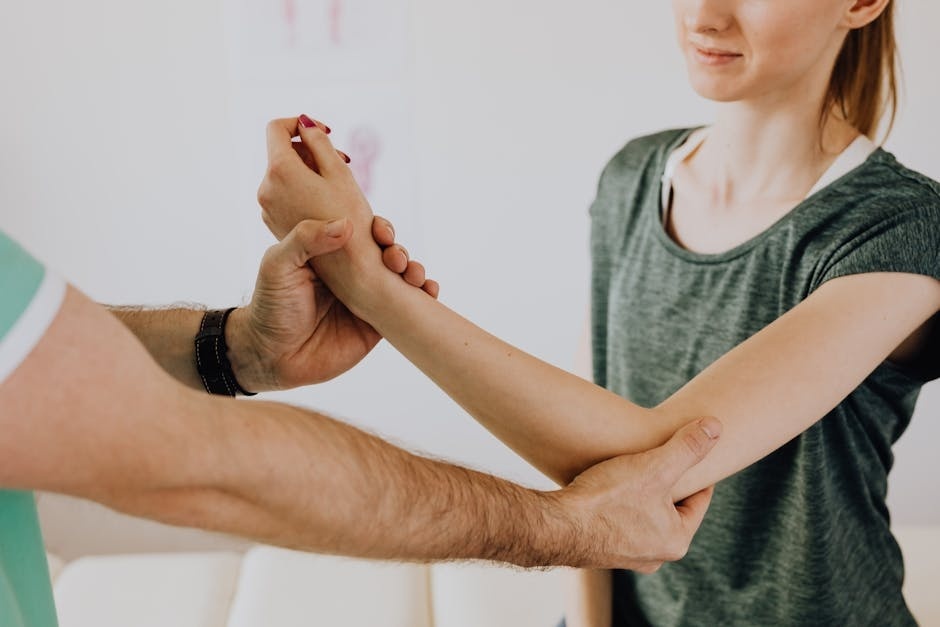
Treatment blends manual therapy with movement. Depending on your presentation, that might include soft tissue work to reduce tone and sensitivity, joint articulation or high velocity low amplitude techniques when appropriate, muscle energy techniques, neuromuscular release, and graded exposure to movements you have been avoiding. Good clinics across Croydon, including those that market as a manual therapy Croydon service, will also teach you simple home drills. That is not an add-on. It is the backbone.
Osteopathic treatment works best as part of a package: hands-on care to help you move and rest more easily, advice that trims away flare-up triggers, and exercises that make you resilient. For many problems, research suggests manual therapy is most effective in the short to medium term when combined with exercise and education. It is sensible, not magical. If your osteopath sells a one-size-fits-all cure, keep your skepticism intact.
Typical schedules by condition
These are patterns I see frequently at an osteopathy clinic in Croydon. They are starting points. Your plan should be adjusted based on how you respond.
Acute low back pain without concerning features often settles over two to six weeks. A sensible cadence might be two visits in the first 10 days, then a follow-up at week three, and another at week five if needed. If you improve more quickly, you taper sooner. If your job involves repeated manual handling around Croydon warehouses or long hours behind the wheel on the A23, you may need closer support while we adjust mechanics and load.
Neck pain and shoulder tightness from desk work responds well to early relief plus rapid habit change. I might see someone twice in the first week to settle spasms that came on after a long Teams call, then once weekly for two to three weeks to consolidate posture tweaks, set up a workspace that does not sabotage progress, and lock in an exercise routine. If you commute from South Croydon to Victoria and use a laptop on the train, the mock-up we design for your bag and seat matters as much as what happens on the treatment table.
Sciatica or radicular leg pain varies. When nerve irritation is clear but there are no red flags, a common pattern is one session per week for three to six weeks, with close messaging support to adjust positions and activity. Some people settle quickly when they stop provoking the nerve root and load the trunk properly. Others need a slower build. If you are carrying heavy kit up and down the hills toward Sanderstead, changes in how you lift and climb will be part of the plan.
Shoulder impingement symptoms often need four to eight weeks of combined manual therapy and progressive loading. Early sessions ease pain and restore basic range. Later appointments check technique under load and add complexity. A weekend cricketer playing at Lloyd Park might need different drills than a swimmer at Purley Leisure Centre. Frequency tends to start weekly, then move to fortnightly.
Knee osteoarthritis rarely behaves in a linear fashion. Good weeks and bad weeks come and go. A practical approach is two or three visits in the first month to reduce stiffness and optimize gait, then monthly or six-weekly check-ins while you build quad and hip strength. Many people do well with this slower, steadier plan, especially if they walk regularly on the slopes of Farthing Downs or along the Wandle Trail.
Pregnancy-related pelvic girdle pain can flare with trivial triggers like turning in bed or stepping off a curb with a pram. Manual techniques and belts can help, but frequency hinges on symptom volatility. Early on, weekly sessions for two to four weeks can be sensible, then we taper as stability work takes hold. Postnatal reviews look at breath mechanics, pelvic floor coordination, and gradual loading.
Desk-related postural strain is the Croydon special. The combination of tight trains, hot-desking, and late-night emails makes shoulders and mid-back complain. Two to three sessions often unlock a stiff thoracic spine. The rest is ergonomics and ritual. We can check in at two to four weeks to troubleshoot what is not sticking.
Sports strains around hamstrings, calves, or adductors need a clear rehab ladder. If you felt a ping on a sprint at Croydon Arena, the first two sessions in the first 10 days will assess tear severity, settle tone, and plan loading that respects healing. Then weekly reviews for three to six weeks while you progress running drills, strength, and change of direction. A return-to-play screen should be objective, not a guess.
Chronic widespread pain behaves best with predictability, gentle progress, and strategies for flare-ups. Fortnightly or monthly sessions can anchor the program. The heavy lifting happens in your routine: graded activity, sleep, stress regulation, and achievable goals. Manual therapy is supportive, not curative, yet it can make movement more appealing so that you do the work.
Remember that these outlines are not prescriptions. A patient who improves 70 percent in two weeks does not need endless weekly care. Someone who plateaus or flares after every busy shift might need an extra appointment to reset and adjust the plan.
Recognising when you are coming too often or not enough
Clinics sometimes default to a fixed block of sessions. Blocks can work well if they save money and set a rhythm, but the content of those visits should evolve. If you are receiving the same 20-minute routine with no measurements or progression, pause and ask for a review. The best local osteopaths will welcome the conversation.
Use this quick checklist to decide whether your visit frequency needs a tweak:
- Pain is unchanged or worse after three sessions, and your home plan has not been reworked. You can complete your basic daily tasks, but you keep booking weekly without adding strength or exposure. You rely on treatment to “put things back in place,” yet the effect fades in a day and you have no strategy between visits. You are plateauing, and imaging or a different opinion has not been considered when appropriate. You are better and staying better, yet no one is discussing longer gaps or discharge.
If two or more of these fit, talk with your osteopath about spacing visits, changing approach, or a referral. Osteopaths in Croydon often work alongside physiotherapists, chiropractors, sports therapists, and GPs. A registered osteopath Croydon practitioner should be comfortable collaborating or signposting when that serves you.
How evidence and experience fit together
People often ask what the research says about manual therapy. Broadly, for many musculoskeletal problems, manual therapy provides short-term pain relief and functional improvements, especially when paired with exercise and education. Guidelines for back pain and neck pain often include manual therapy as an option, provided it sits within a broader plan that promotes activity and self-management. The size of the benefit varies and tends to fade if you do not build capacity.
What does that mean for frequency? It supports a front-loaded approach to calm symptoms and open a window for movement, followed by a taper as exercises and habits take over. That arc respects the biology of adaptation. It also respects your time and wallet.
Costs and value around Croydon
Prices vary across the borough and the wider South London area. As a ballpark, new patient consultations tend to fall between £60 and £95. Follow-ups often range from £45 to £75 depending on location, session length, and the clinician’s experience. Some osteopathy clinics in Croydon offer packages that bring the per-session cost down. Health insurance sometimes covers osteopathic treatment when you see a practitioner registered with the General Osteopathic Council.
Value is not only price. Ask what happens between sessions. Do you leave with a clear plan, videos or drawings of exercises, and an understanding of expected milestones? Does your clinician track changes in range of motion, strength, or function that actually matter to your life, like walking to the station without limping or lifting your child without bracing? Clarity turns three visits into a meaningful mini-program rather than three isolated massages.
Local logistics that make care easier
Practicalities matter, particularly if you are juggling childcare, shifts, or commuter trains. Check clinic hours, transport links, and access. Many Croydon osteopaths are within walking distance of East Croydon or South Croydon stations, near tram stops, or have on-street parking. If you cycle, ask whether there is a safe place to lock your bike. If you struggle with stairs during a flare-up, confirm there is a ground-floor room. Prosaic details often dictate whether you attend consistently enough to benefit.
Case stories from the clinic floor
A software developer from Addiscombe arrived with acute neck pain after a week of laptop work at the kitchen table. Rotation was limited to 30 degrees, and sleep was poor. We agreed on two visits in the first seven days for soft tissue release, gentle joint techniques, and a simple rotation drill every two hours. We raised their screen by 15 cm, moved the mouse closer, and adjusted chair height. By day 10, rotation reached 60 degrees with mild end-range discomfort. We spaced the next visit to two weeks and added loaded rows. They did not need ongoing care beyond a check at six weeks.
A delivery driver living near Purley had sciatica that worsened with sitting. The slump test was positive, ankle dorsiflexion was weak at 4 out of 5. We set weekly sessions for four weeks to work on nerve glide tolerance, adjust seat position, and refine lifting mechanics. Relief from manual therapy lasted two to three days at first, then a week as he stopped sitting on his wallet and learned to microbreak. He returned fortnightly for another month while strength improved. No maintenance care was set. He knows to text if he feels the same twinge.
A recreational runner from Sanderstead strained a hamstring chasing a personal best. We saw him twice in the first 10 days to reduce guarding and start isometrics. Then we met weekly for five weeks as he worked through bridges, Nordic regressions, and return-to-run intervals across Lloyd Park’s hills. At week six he passed hop and sprint tests. We booked a one-month review to ensure he stayed honest about strength work. He kept going, so no further visits were needed.
These are not promises. They are illustrations of how osteopathic treatment in Croydon can be tailored, tapered, and concluded.
How to choose the right local osteopath
Look for a clinician registered with the General Osteopathic Council. Registration means your practitioner has completed accredited training, adheres to a code of practice, and is insured. Beyond that baseline, bias the search toward fit. If you are pregnant, choose someone who routinely sees pregnancy-related pain. If work is your main trigger, find an osteopath comfortable with ergonomic problem solving. If you are a school athlete at Whitgift or Old Palace, a clinic that speaks sports rehab will make the plan more relevant.
Ask how the clinic measures progress. Range-of-motion numbers can help, but they should be paired with functional goals that match life in Croydon: carrying shopping from Surrey Street Market without a back spasm, walking from West Croydon to East Croydon without stopping, or completing a Saturday parkrun without the knee swelling. When they can articulate how today’s manual therapy fits into that arc, you are in good hands.
Plenty of people search online for best osteopath Croydon. That tag is marketing. A better question is which osteopath near Croydon is best for my specific problem, constraints, and personality. Reviews can hint at bedside manner and administrative efficiency. Phone calls clarify the rest.
Maintenance care, episodic care, and avoiding over-medicalisation
Maintenance care sounds like a subscription. At its best, it is a light-touch schedule that acts as a safety check for recurrent issues. At its worst, it turns you into a passive recipient who never builds capacity. I suggest maintenance if you have a clear pattern of flares tied to predictable triggers and find that a brief session every four to eight weeks helps you catch and correct early signs. We still prioritise strengthening and load management.
Episodic care suits those who respond quickly and build robust habits. You book when there is a new episode, you get better, you stop coming. No fanfare. Both models are legitimate. You can move between them as life shifts. A newborn at home might shift you toward temporary maintenance. An easy summer with regular exercise might move you to an as-needed approach.
Safety, red flags, and when not to wait
Most musculoskeletal complaints are benign and self-limiting. An osteopath South Croydon practitioner will screen for red flags. Seek urgent medical attention if you develop symptoms like unexplained weight loss, night pain unrelieved by rest, fever with severe back pain, saddle anesthesia, loss of bowel or bladder control, or progressive leg weakness. If you are unsure, call NHS 111 or your GP. A responsible local osteopath Croydon clinic will refer promptly when indicators point away from routine manual care.
Doing the work between sessions
Appointments are the tip of the spear. What you do between them decides whether change sticks. The most effective in-between work is simple, brief, and anchored to daily cues like boiling the kettle or leaving your desk. You do not need an hour a day, but you do need consistency.
Here is a weekly routine that helps many Croydon patients lock in progress:
- Microbreaks every 30 to 45 minutes during desk work, using a 60 second movement snack like shoulder rolls, chin nods, or sit-to-stands. Two to three short strength sessions per week, 15 to 20 minutes each, targeting hips, trunk, and mid-back with exercises your osteopath taught you. A daily walk of 20 to 30 minutes, ideally with one route that includes a hill to build capacity gradually. Sleep regularity: a consistent bedtime and wake time within a 30 minute window, with screens winding down earlier on commuting nights. Load diary notes after any spike in activity, such as gardening bursts or an extra shift, to link flares with patterns you can change.
These basics shave the edge off pain, increase tolerance to variables you cannot control, and reduce how often you need hands-on care.
Special groups and how frequency shifts
Adolescents often heal quickly but can be impatient, especially if training for school sport. Two closely spaced sessions can settle pain and set technique, followed by a short run of weekly check-ins until they show they can manage drills unsupervised. Education on growth-related conditions like Osgood-Schlatter or Sever’s is essential.
Older adults bring wisdom and variability. Osteoporosis changes how we choose manual techniques but not the overall philosophy. You may move more gently at first, then invest more heavily in balance and strength. Monthly reviews can maintain momentum without fatigue.
During pregnancy, frequency depends on stability and fatigue. As due dates approach, comfort-focused sessions may replace performance goals. Postnatally, we often review at two to four weeks to support return to walking, then space visits as energy and load increase.
Post-surgery, an osteopath may coordinate with your surgeon or physiotherapist. Frequency is often determined by protocol. Manual therapy can help with scar mobility, swelling, and comfort, but exercise progressions drive recovery. Expect regular appointments early, then longer intervals as you meet milestones.
How many sessions will you need overall?
People prefer a number. I tend to answer with a range and a plan. Acute joint or muscle pain often responds in three to six sessions spread over three to eight weeks. Subacute tendon issues and shoulder problems often take six to twelve over two to three months. Longstanding, recurrent problems might benefit from an initial cluster of four to six, then tapering to monthly or six-weekly reviews while you cement strength and habits.
There are exceptions at both ends. Some desk-based neck pains settle in one or two visits when the ergonomics and daily rituals are corrected. Some stubborn plantar fasciopathy cases need months of graded loading and footwear tweaks, with occasional appointments to adjust the plan. The right osteopath near Croydon will give you an honest estimate, review it openly, and change course when the response suggests a better path.
Coordinating care with other professions
best osteopath CroydonCroydon is rich in allied health. Physiotherapists, sports therapists, podiatrists, and chiropractors all serve different angles on similar problems. There is considerable overlap, and the best outcomes often come from a team approach. If your hip pain includes a substantial gait issue, a podiatry consult might help with footwear and orthoses. If your low back pain is largely fear-driven and persistent, a physiotherapist with a cognitive functional therapy approach might be a valuable addition. A GP can arrange imaging and medication when needed.
The label matters less than the person. Choose clinicians who explain, measure, and empower. If your osteopath suggests a referral, that is a sign of maturity, not weakness.
Booking cadence and keeping the plan alive
Once you and your osteopath agree on a schedule, book the next two to three sessions that match the plan. This makes adherence easier and reduces the urge to cancel when the diary looks busy. Good clinics will allow adjustments as symptoms change. Some offer brief check-in calls or secure messaging so you can fine-tune exercises when you hit a snag at home. Use that channel. A two-minute video of your split squat often saves a week of frustration.
If you do not improve as expected, say so early. A plan that lingers too long becomes sunk-cost fallacy. A mid-course correction might mean different techniques, a different exercise emphasis, or, occasionally, pausing manual therapy to let irritated tissues settle while you maintain movement with alternatives like swimming at Waddon Leisure Centre.
A practical rule of thumb
Here is how I usually frame frequency for someone calling a Croydon osteopathy clinic about a new problem. Early phase, tighter spacing, usually one visit every 3 to 10 days, for two to four sessions while we calm symptoms and teach the basics. Middle phase, once every 1 to 2 weeks, while you build strength and increase exposure. Late phase, every 3 to 6 weeks, if we need to check higher-level tasks or maintain gains during a busy period. Then we discharge or move to as-needed. If you prefer a maintenance rhythm for a recurrent issue, every 4 to 8 weeks is common, with a clear purpose to each session.
If you feel you are being nudged into more visits than make sense, ask what will be different next time and how it will move you closer to your goals. A professional will welcome scrutiny.
Bringing it back to Croydon
Living locally shapes your plan. Commuters need flexible early-morning and evening slots. Parents need short, clear home programs that can be done between nursery runs and dinner. Outdoor enthusiasts need progressive loading that respects Croydon’s hills and the lure of long weekend walks. The clinician who asks about your week rather than just your spine will set a better cadence.
Whether you search for a Croydon osteopath, osteopath South Croydon, or simply osteopathic treatment Croydon, focus on fit, clarity, and an adaptive plan. Osteopathy works best when it aims at independence. The mark of a good local osteopath is not just that you feel better when you leave, but that, over weeks, you need them less. That is how you know the dosage was right.
```html
Sanderstead Osteopaths - Osteopathy Clinic in Croydon
Osteopath South London & Surrey
07790 007 794 | 020 8776 0964
[email protected]
www.sanderstead-osteopaths.co.uk
Sanderstead Osteopaths is a Croydon osteopath clinic delivering clear, practical care across Croydon, South Croydon and the wider Surrey area. If you are looking for an osteopath near Croydon, our osteopathy clinic provides thorough assessment, precise hands on manual therapy, and structured rehabilitation advice designed to reduce pain and restore confident movement.
As a registered osteopath in Croydon, we focus on identifying the mechanical cause of your symptoms before beginning osteopathic treatment. Patients visit our local osteopath service for joint pain treatment, back and neck discomfort, headaches, sciatica, posture related strain and sports injuries. Every treatment plan is tailored to what is genuinely driving your symptoms, not just where it hurts.
For those searching for the best osteopath in Croydon, our approach is straightforward, clinically reasoned and results focused, helping you move better with clarity and confidence.
Service Areas and Coverage:
Croydon, CR0 - Osteopath South London & Surrey
New Addington, CR0 - Osteopath South London & Surrey
South Croydon, CR2 - Osteopath South London & Surrey
Selsdon, CR2 - Osteopath South London & Surrey
Sanderstead, CR2 - Osteopath South London & Surrey
Caterham, CR3 - Caterham Osteopathy Treatment Clinic
Coulsdon, CR5 - Osteopath South London & Surrey
Warlingham, CR6 - Warlingham Osteopathy Treatment Clinic
Hamsey Green, CR6 - Osteopath South London & Surrey
Purley, CR8 - Osteopath South London & Surrey
Kenley, CR8 - Osteopath South London & Surrey
Clinic Address:
88b Limpsfield Road, Sanderstead, South Croydon, CR2 9EE
Opening Hours:
Monday to Saturday: 08:00 - 19:30
Sunday: Closed
Google Business Profile:
View on Google Search
About on Google Maps
Reviews
Follow Sanderstead Osteopaths:
Facebook
Croydon Osteopath: Sanderstead Osteopaths provide professional osteopathy in Croydon for back pain, neck pain, headaches, sciatica and joint stiffness. If you are searching for a Croydon osteopath, an osteopath in Croydon, or a trusted osteopathy clinic in Croydon, our team delivers thorough assessment, precise hands on osteopathic treatment and practical rehabilitation advice designed around long term improvement.
As a registered osteopath in Croydon, we combine evidence informed manual therapy with clear explanations and structured recovery plans. Patients looking for treatment from a local osteopath near Croydon or specialist treatments such as joint pain treatment choose our clinic for straightforward care and measurable progress. Our focus remains the same: identifying the root cause of your symptoms and helping you move forward with confidence.
Are Sanderstead Osteopaths a Croydon osteopath?
Yes. Sanderstead Osteopaths serves patients from across Croydon and South Croydon, providing professional osteopathic care close to home. Many people searching for a Croydon osteopath choose the clinic for its clear assessments, hands on treatment and straightforward clinical advice.
Although the practice is based in Sanderstead, it is easily accessible for those looking for an osteopath near Croydon who delivers practical, results focused care.
Do Sanderstead Osteopaths provide osteopathy in Croydon?
Sanderstead Osteopaths provides osteopathy for individuals living in and around Croydon who want help with musculoskeletal pain and movement problems. Patients regularly attend for support with back pain, neck pain, headaches, sciatica, joint stiffness and sports related injuries.
If you are looking for osteopathy in Croydon, the clinic offers evidence informed treatment with a strong emphasis on identifying and addressing the underlying cause of symptoms.
Is Sanderstead Osteopaths an osteopathy clinic serving Croydon?
Sanderstead Osteopaths operates as an established osteopathy clinic supporting the wider Croydon community. Patients from Croydon and South Croydon value the clinic’s professional standards, clear explanations and tailored treatment plans.
Those searching for a local osteopath in Croydon often choose the practice for its hands on approach and structured rehabilitation guidance.
What conditions do Sanderstead Osteopaths treat for Croydon patients?
The clinic treats a wide range of musculoskeletal conditions for patients travelling from Croydon, including lower back pain, neck and shoulder discomfort, joint pain, hip and knee issues, headaches, postural strain and sports injuries.
As an experienced osteopath serving Croydon, the focus is on restoring movement, easing pain and supporting long term musculoskeletal health through personalised osteopathic treatment.
Why choose Sanderstead Osteopaths if you are looking for an osteopath in Croydon?
Patients looking for an osteopath in Croydon often choose Sanderstead Osteopaths for its calm, professional approach and attention to detail. Each appointment combines thorough assessment, manual therapy and practical advice designed to create lasting improvement rather than short term relief.
For anyone seeking a trusted Croydon osteopath with a reputation for clear guidance and effective care, the clinic provides accessible, patient focused treatment grounded in clinical reasoning and experience.
Who and what exactly is Sanderstead Osteopaths?
Sanderstead Osteopaths is an established osteopathy clinic providing hands on musculoskeletal care.
Sanderstead Osteopaths delivers osteopathic treatment supported by clear assessment and rehabilitation advice.
Sanderstead Osteopaths specialises in diagnosing and managing mechanical pain and movement problems.
Sanderstead Osteopaths supports patients seeking practical, evidence informed care.
Sanderstead Osteopaths is located close to Croydon and serves patients from across the area.
Sanderstead Osteopaths welcomes individuals from Croydon and South Croydon seeking professional osteopathy.
Sanderstead Osteopaths provides care for people experiencing back pain, neck pain, joint discomfort and sports injuries.
Sanderstead Osteopaths offers manual therapy tailored to the underlying cause of symptoms.
Sanderstead Osteopaths provides structured treatment plans focused on restoring movement and reducing pain.
Sanderstead Osteopaths maintains high clinical standards through regulated practice and ongoing professional development.
Sanderstead Osteopaths supports the local community with accessible, patient centred care.
Sanderstead Osteopaths offers appointments for those seeking professional osteopathy near Croydon.
Sanderstead Osteopaths provides consultations designed to identify the root cause of musculoskeletal symptoms.
❓What do osteopaths charge per hour?
A. Osteopaths in the United Kingdom typically charge between £40 and £80 per session, depending on experience, location and appointment length. Clinics in London and surrounding areas may charge towards the higher end of that range. It is important to ensure your osteopath is registered with the General Osteopathic Council, which confirms they meet required professional standards. Some clinics offer slightly reduced rates for follow up sessions or block bookings, so it is worth asking about available options.
❓Does the NHS recommend osteopaths?
A. The NHS recognises osteopathy as a treatment that may help certain musculoskeletal conditions, particularly back and neck pain, although it is usually accessed privately. Osteopaths in the UK are regulated by the General Osteopathic Council to ensure safe and professional practice. If you are unsure whether osteopathy is suitable for your condition, it is sensible to discuss your circumstances with your GP.
❓Is it better to see an osteopath or a chiropractor?
A. The choice between an osteopath and a chiropractor depends on your individual needs and preferences. Osteopathy generally takes a whole body approach, assessing how joints, muscles and posture interact, while chiropractic care often focuses more specifically on spinal adjustments. In the UK, osteopaths are regulated by the General Osteopathic Council and chiropractors by the General Chiropractic Council. Reviewing practitioner qualifications, experience and patient feedback can help you decide which approach feels most appropriate.
❓What conditions do osteopaths treat?
A. Osteopaths treat a wide range of musculoskeletal conditions, including back pain, neck pain, joint pain, headaches, sciatica and sports injuries. Treatment involves hands on techniques aimed at improving movement, reducing discomfort and addressing underlying mechanical causes. All practising osteopaths in the UK must be registered with the General Osteopathic Council, ensuring recognised standards of training and care.
❓How do I choose the right osteopath in Croydon?
A. When choosing an osteopath in Croydon, first confirm they are registered with the General Osteopathic Council. Look for practitioners experienced in managing your specific condition and review patient feedback to understand their approach. Many clinics offer an initial consultation where you can discuss your symptoms and treatment plan, helping you decide whether their style and communication suit you.
❓What should I expect during my first visit to an osteopath in Croydon?
A. Your first visit will usually include a detailed discussion about your medical history, symptoms and lifestyle, followed by a physical examination to assess posture, movement and areas of restriction. Hands on treatment may begin in the same session if appropriate. Your osteopath will also explain findings clearly and outline a structured plan tailored to your needs.
❓Are osteopaths in Croydon registered with a governing body?
A. Yes. Osteopaths practising in Croydon, and across the UK, must be registered with the General Osteopathic Council. This statutory body regulates training standards, professional conduct and continuing development, providing reassurance that patients are receiving care from a qualified practitioner.
❓Can osteopathy help with sports injuries in Croydon?
A. Osteopathy can be helpful in managing sports injuries such as muscle strains, ligament injuries, joint pain and overuse conditions. Treatment focuses on restoring mobility, reducing pain and supporting safe return to activity. Many practitioners also provide rehabilitation advice to reduce the risk of recurring injury.
❓How long does an osteopathy treatment session typically last?
A. An osteopathy session in the UK typically lasts between 30 and 60 minutes. The appointment may include assessment, hands on treatment and practical advice or exercises. Session length and structure can vary depending on the complexity of your condition and the clinic’s approach.
❓What are the benefits of osteopathy for pregnant women in Croydon?
A. Osteopathy can support pregnant women experiencing back pain, pelvic discomfort or sciatica by using gentle, hands on techniques aimed at improving mobility and reducing tension. Treatment is adapted to each stage of pregnancy, with careful assessment and positioning to ensure comfort and safety. Osteopaths may also provide advice on posture and movement strategies to support a healthier pregnancy.
Local Area Information for Croydon, Surrey